
How termite mounds shape Tanzania's savanna ecosystems through natural climate control, architecture, and extraordinary collective intelligence.
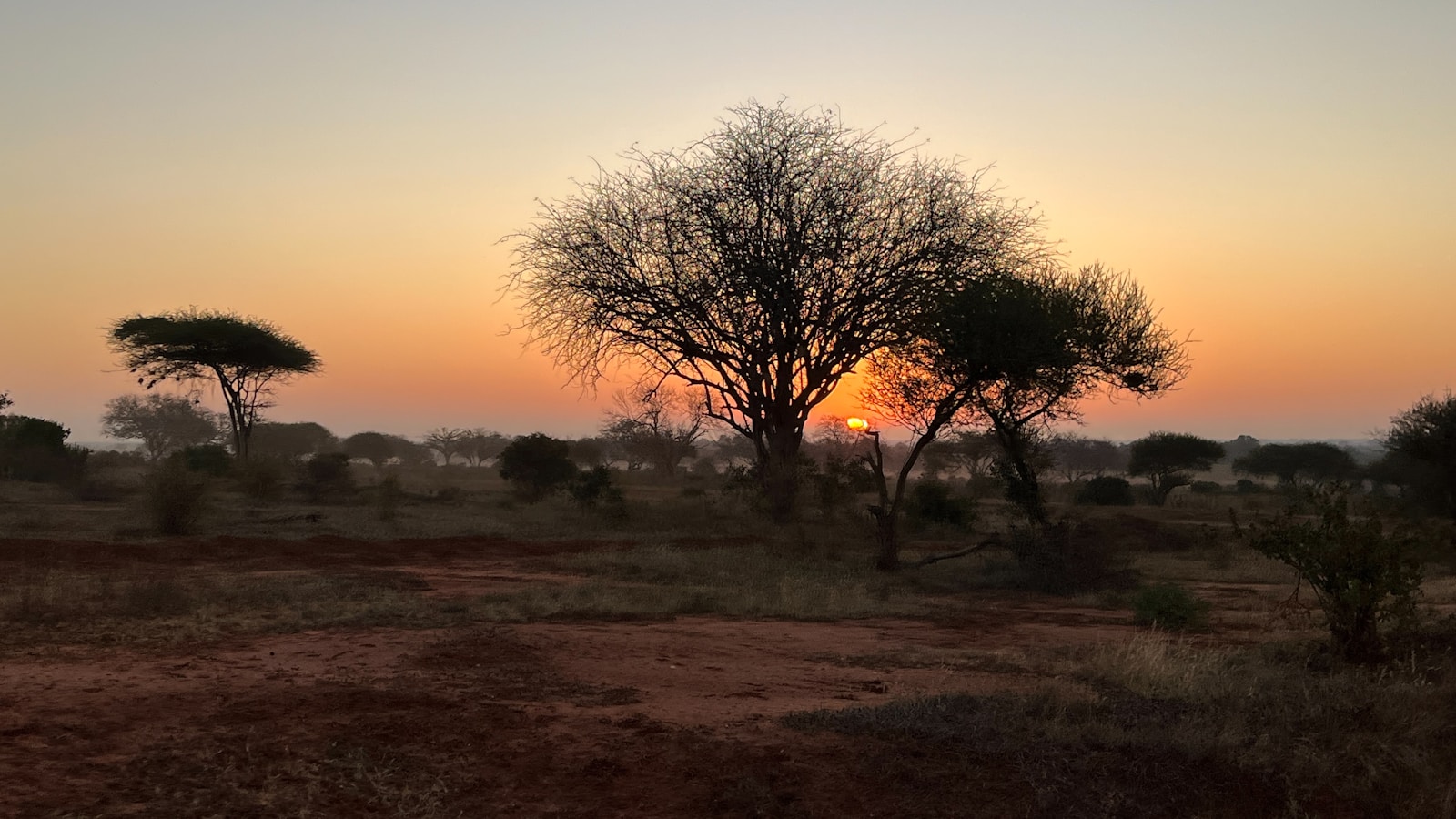
In Tanzania, when the rivers shrink to dusty scars and the grasslands turn to the sound of crunch underfoot, a quiet drama unfolds beneath your feet. On a game drive your eyes might skim past them, those strange, cathedral-like towers of red earth rising from the grasslands. To the casual observer, they are simply mounds. But stop, step closer, and you'll discover one of nature's most astonishing feats of engineering: the towering homes of the fungus-growing termites, Macrotermes.
These are not mere piles of dirt. They are living monuments, some standing taller than a giraffe's head and enduring for centuries. The greatest safaris reveal not only the dramatic and iconic, but also the intricate hidden systems holding the ecosystem together. Few things illustrate this better than the humble termite mound.
Nature's air-conditioning system
Across the savannas of Tanzania, where daytime temperatures regularly soar above 35°C, termites have solved a problem that still challenges modern human engineers: climate control. The mound itself is not the colony's living space, but a colossal respiratory organ and ventilation system serving millions of termites deep underground.
Inside lies an architectural marvel, a central chimney surrounded by an intricate network of tunnels and vents. Through a process known as the thermosiphon effect, hot air rises through the chimney while cooler, oxygen-rich air is drawn in from the base. The porous outer walls, filled with microscopic channels, allow for constant passive ventilation.
The result is an astonishingly stable internal environment: roughly 30°C with near-perfect humidity. This carefully controlled climate is essential for the colony's most precious asset, a symbiotic fungus called Termitomyces. If temperature or humidity shifts too dramatically, the fungus dies, and with it, the colony itself.
Built to outlast generations
The construction material is equally remarkable. Termites mix subsoil with saliva and excrement to create a natural "concrete" that hardens into a substance almost as durable as stone. These structures withstand pounding rains, fierce winds, and even elephants using them as scratching posts. Some mounds have stood for over a century, silent witnesses to generations of wildlife moving across the plains.
At night, the mound's thick earthen walls act like a thermal battery, slowly radiating stored warmth into the cool Tanzanian air. Snakes, lizards, and small mammals shelter within its crevices, transforming the mound into an essential refuge long after sunset.
How the mounds shape the country
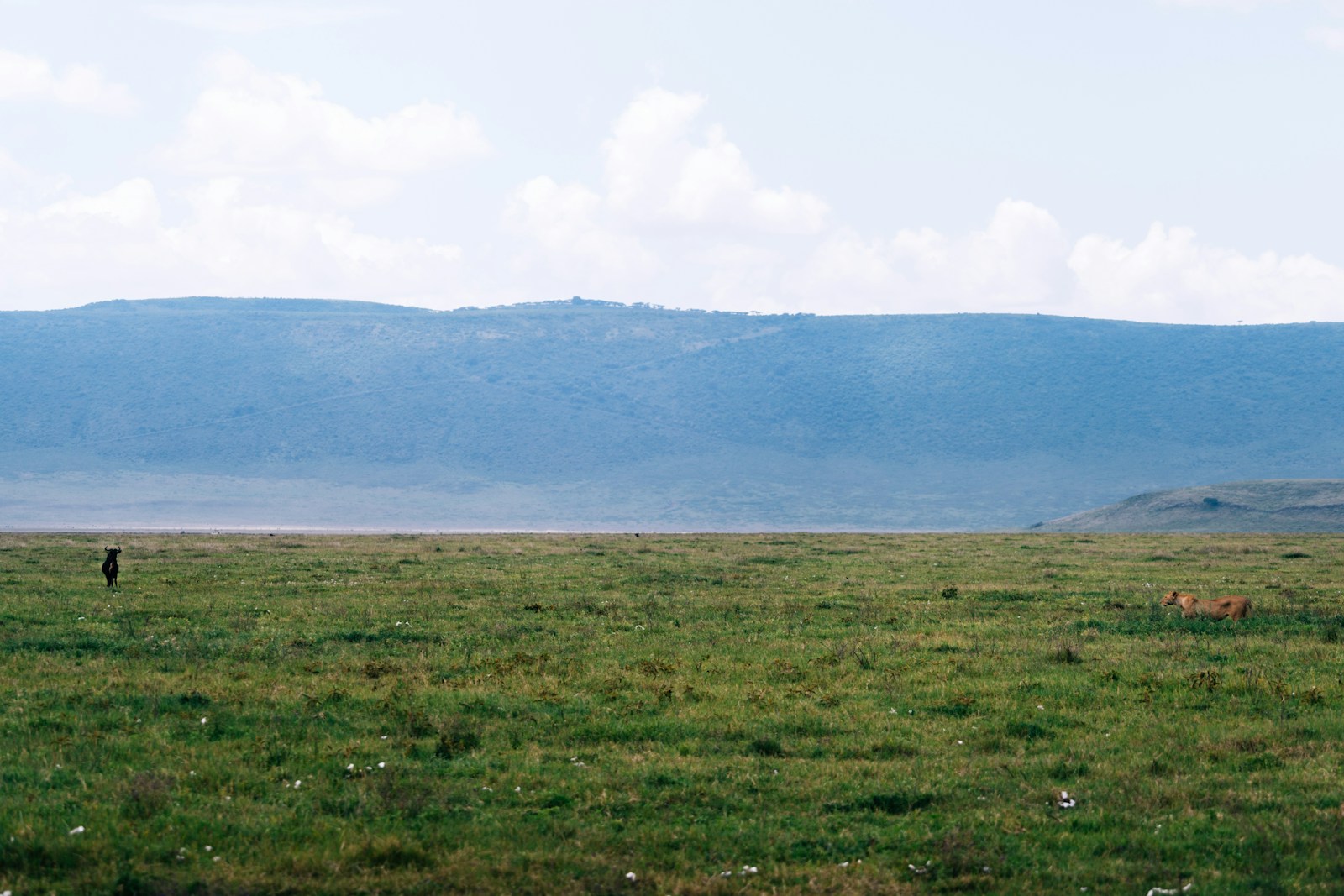
Even abandoned mounds continue shaping the landscape. By transporting minerals from deep underground to the surface, termites enrich the surrounding soil and create lush "islands of fertility" where grasses grow thicker and sweeter. These nutrient-rich patches attract zebra, wildebeest, impala, and countless other grazers.
What makes it more astonishing is that no termite understands the full structure it is helping create. Through chemical communication, a process called stigmergy, millions of blind insects coordinate to build systems of breathtaking complexity. No architect. No blueprint. Just collective intelligence refined over millions of years.
The original sustainable designers
Their ingenuity has even inspired human design. The Eastgate Centre in Harare, Zimbabwe, famously borrowed principles from termite mound ventilation to create a naturally cooled building that uses dramatically less energy than conventional designs. Long before sustainability became fashionable, termites had already mastered it.
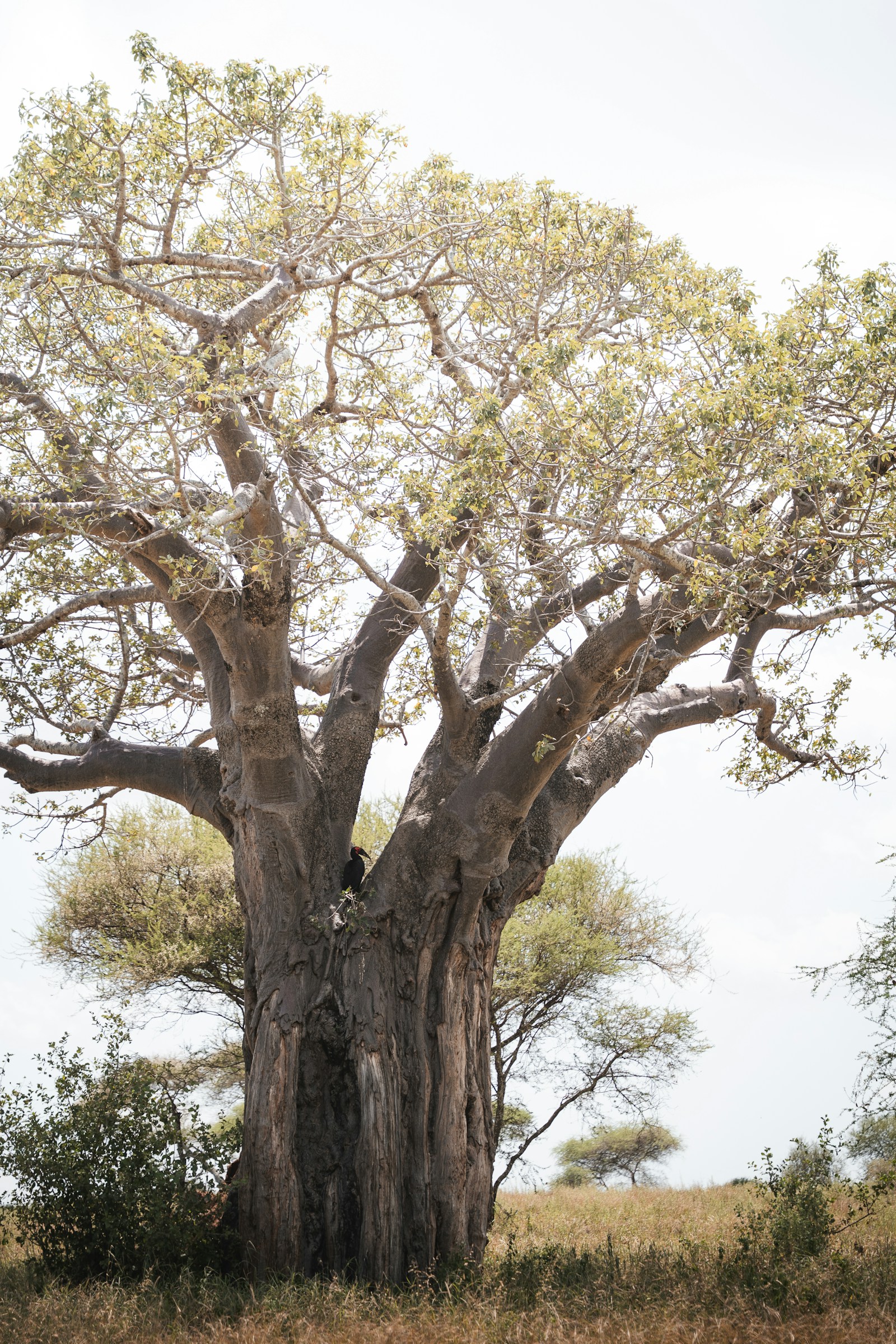
Whether you're venturing across the Serengeti plains, or nestled beneath the baobabs in Tarangire National Park, these extraordinary structures are all around you. Your guide may point them out during a morning game drive or walking safari, explaining how they shape the landscape and support the wildlife you've come to see.
Watch a lilac-breasted roller perched atop a mound scanning for insects. See a monitor lizard vanish into a narrow crevice. Or simply stand beside one of these ancient towers in silence, newly aware of the hidden world beneath your feet.
A reminder that, in the African savanna, even the smallest creatures can engineer the grandest designs.