
Some months crack with movement. Some months sit still. Both are Tanzania.
Tanzania doesn't have one perfect safari moment, it has many. Dry months bring clarity, concentration, the migration at its loudest. Green months bring quiet, calving, low light, and almost nobody else. The guide below splits the year across three parks so you can pick the rhythm that fits the trip you want.
Dry Season
June through October
The land hardens. Water shrinks to fewer places, and the animals come to it. Sight lines stretch for kilometres. This is the season the photographers ask for, and the season everyone else picks too.
| Game | Sight lines stay open. Herds gather at the water that's left. |
| Migration | Late July through early October, the herds work the Mara River. Crossings come without warning. |
| Weather | Cold mornings, warm afternoons, almost no rain. Bring a fleece for dawn. |
| Crowds | Busiest mid-July through September. June and October hold the same conditions with fewer vehicles. |
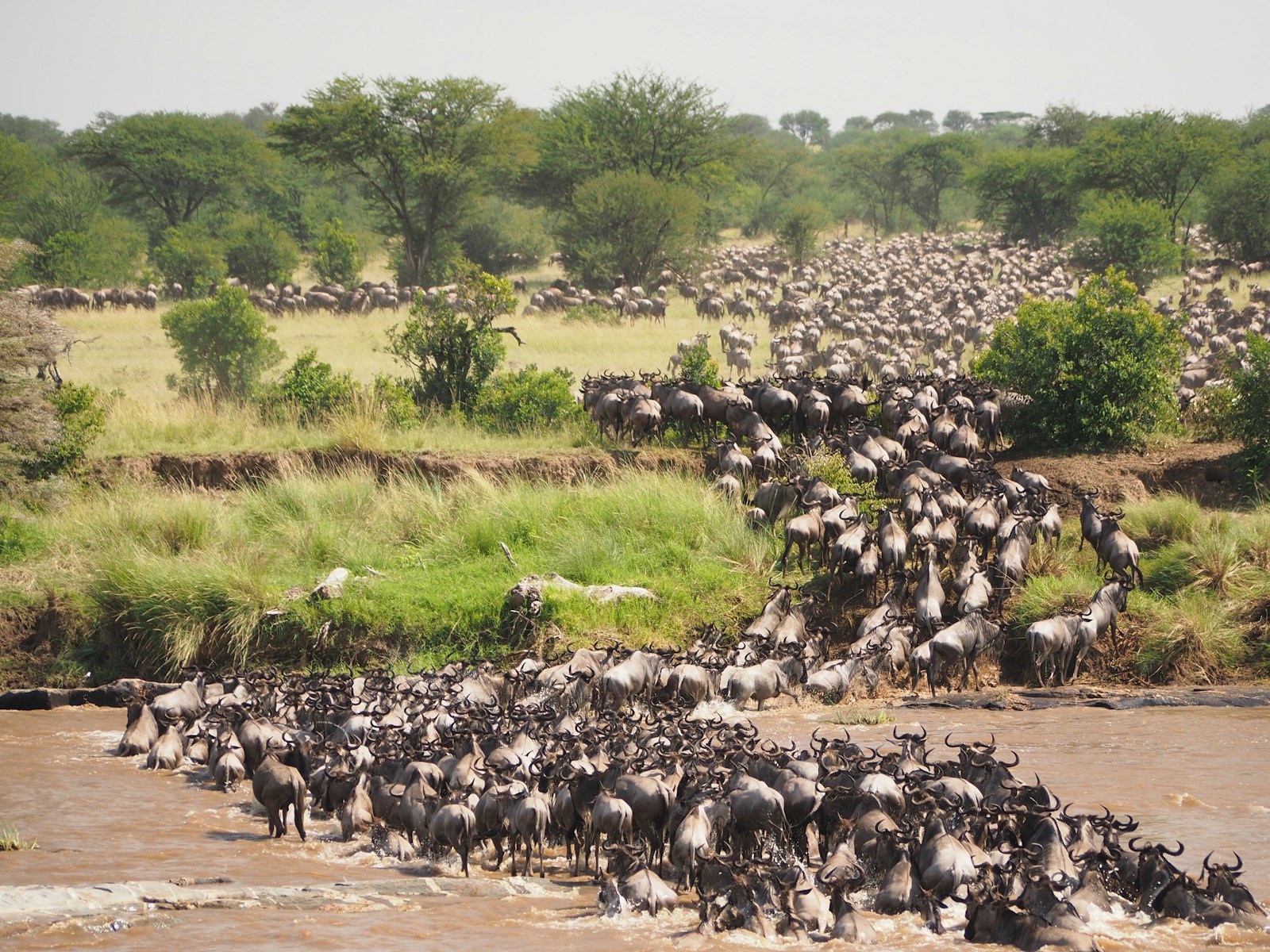
Serengeti
The migration runs its loudest leg here. Grumeti crossings begin in June; the Mara River sees its action from August on. Predators stay close, the crossings make easy work for those who wait.
- Crossings without ceremony
- Lion and croc on the same banks
- Hard light, long sight lines
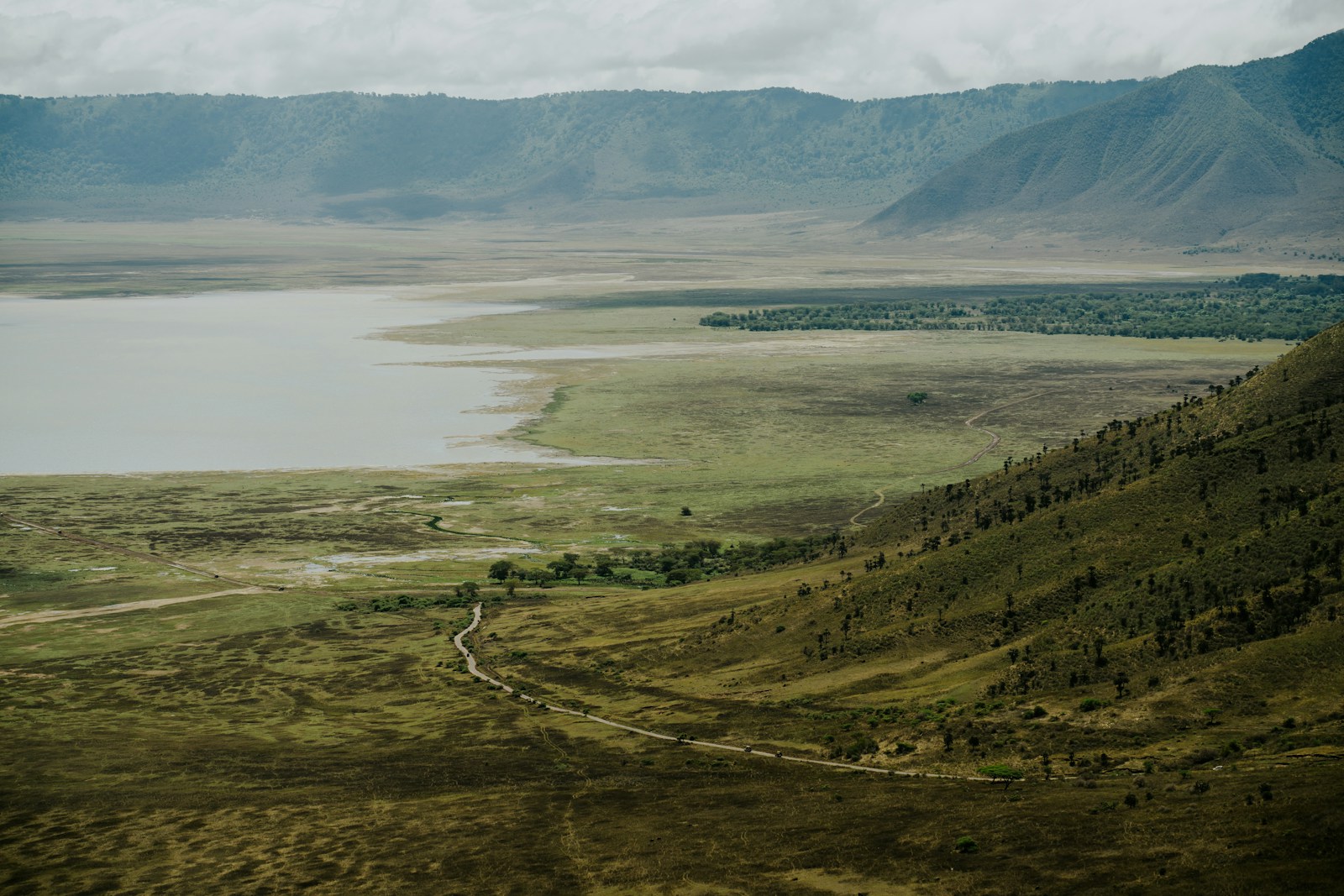
Ngorongoro
The crater holds its life. Animals don't leave the floor, the rim doesn't move. Dry months pull the haze off and the whole bowl reads at once.
- Lion, elephant, rhino, often in one morning
- The 260km² floor visible at once
- Morning blues, midday gold, evening shadow
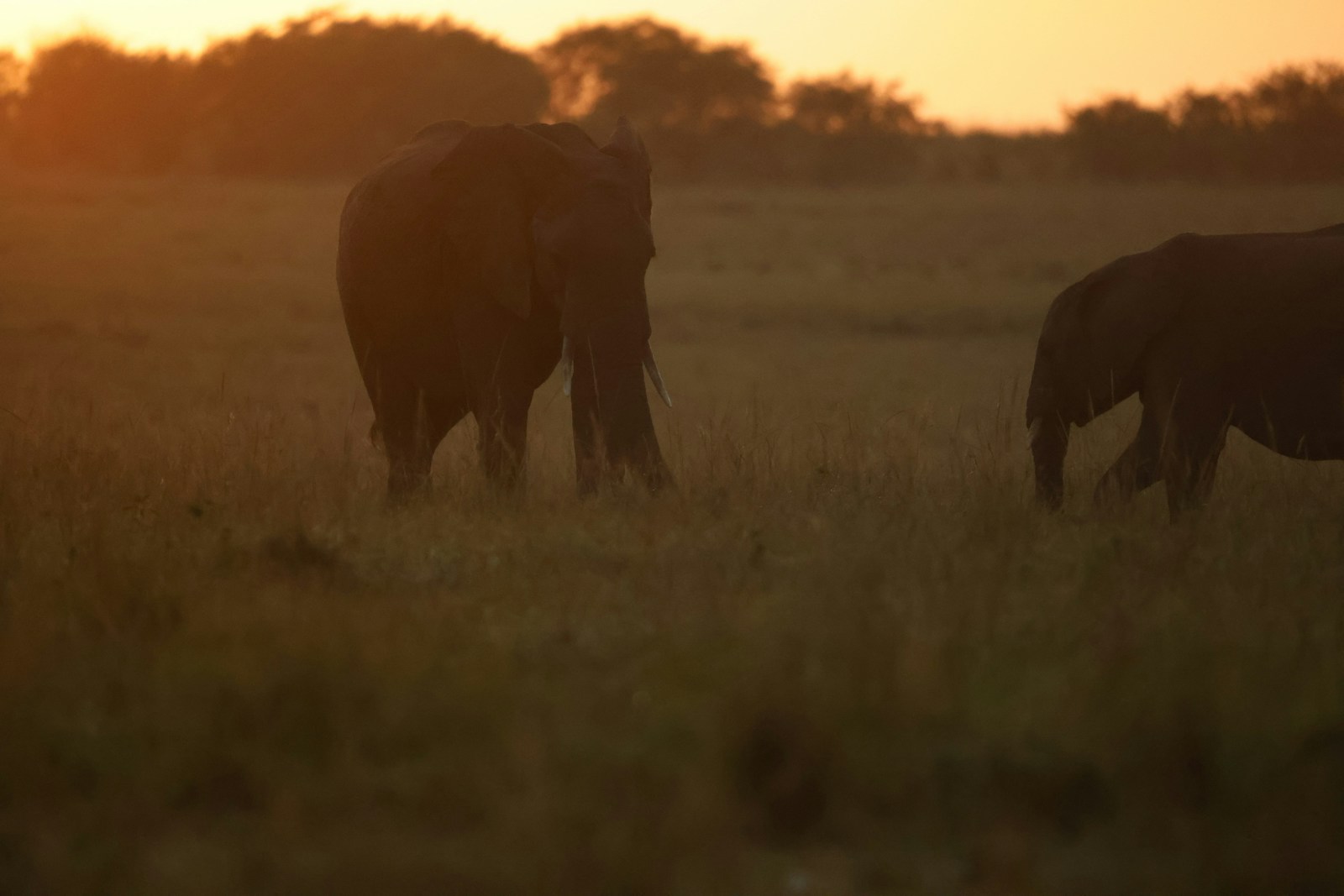
Tarangire
Elephants come back to the Tarangire River. Hundreds at a time, sometimes more. The park is quieter than the Serengeti, fewer vehicles, older trees, slower drives.
- Herds of three hundred plus
- Baobabs older than the country
- Half the traffic of the Serengeti
Green Season
November through May
The rains thin the vehicles before they arrive. New grass, new births, low light, and weeks where you can drive an hour without seeing anyone. Mornings stay clear. Afternoons turn dramatic.
| Game | Animals spread out. Predators follow the calves. You move slower, you see more. |
| Migration | Late November the herds begin moving south. Late January, calving begins in Ndutu, eight thousand wildebeest a day for the better part of two weeks. |
| Weather | Brief afternoon storms. Mornings clear. The sky turns the kind of colour photographers chase. |
| Crowds | Most camps run half-full. Sightings stay yours. |
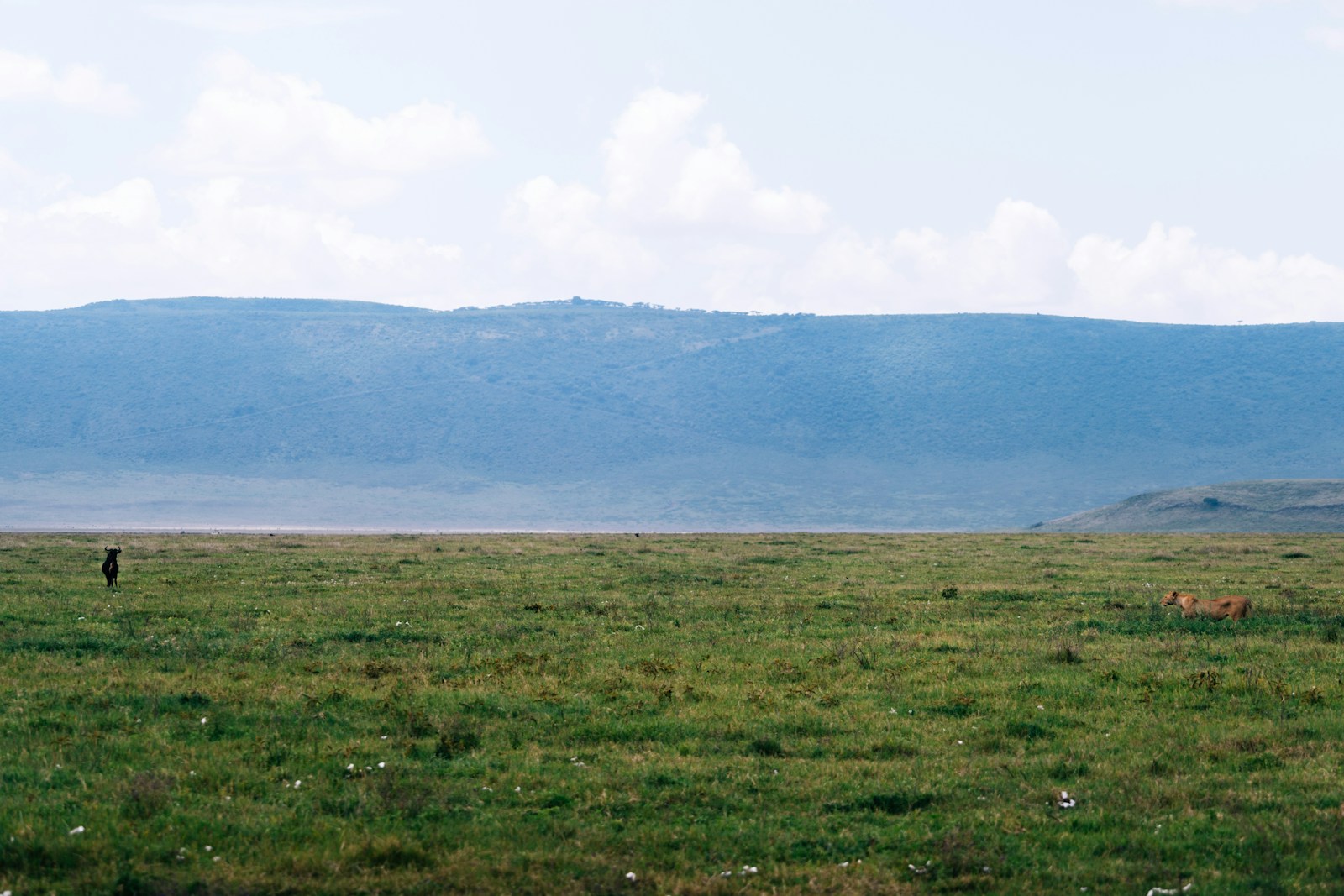
Serengeti
The herds come south for the births. Late January in Ndutu, eight thousand calves a day for two weeks. The lions know it. From March on, the plains green up and the noise drops away.
- Calving, fast, raw, predator-close
- Migratory birds arriving in force
- Whole circuits to yourself
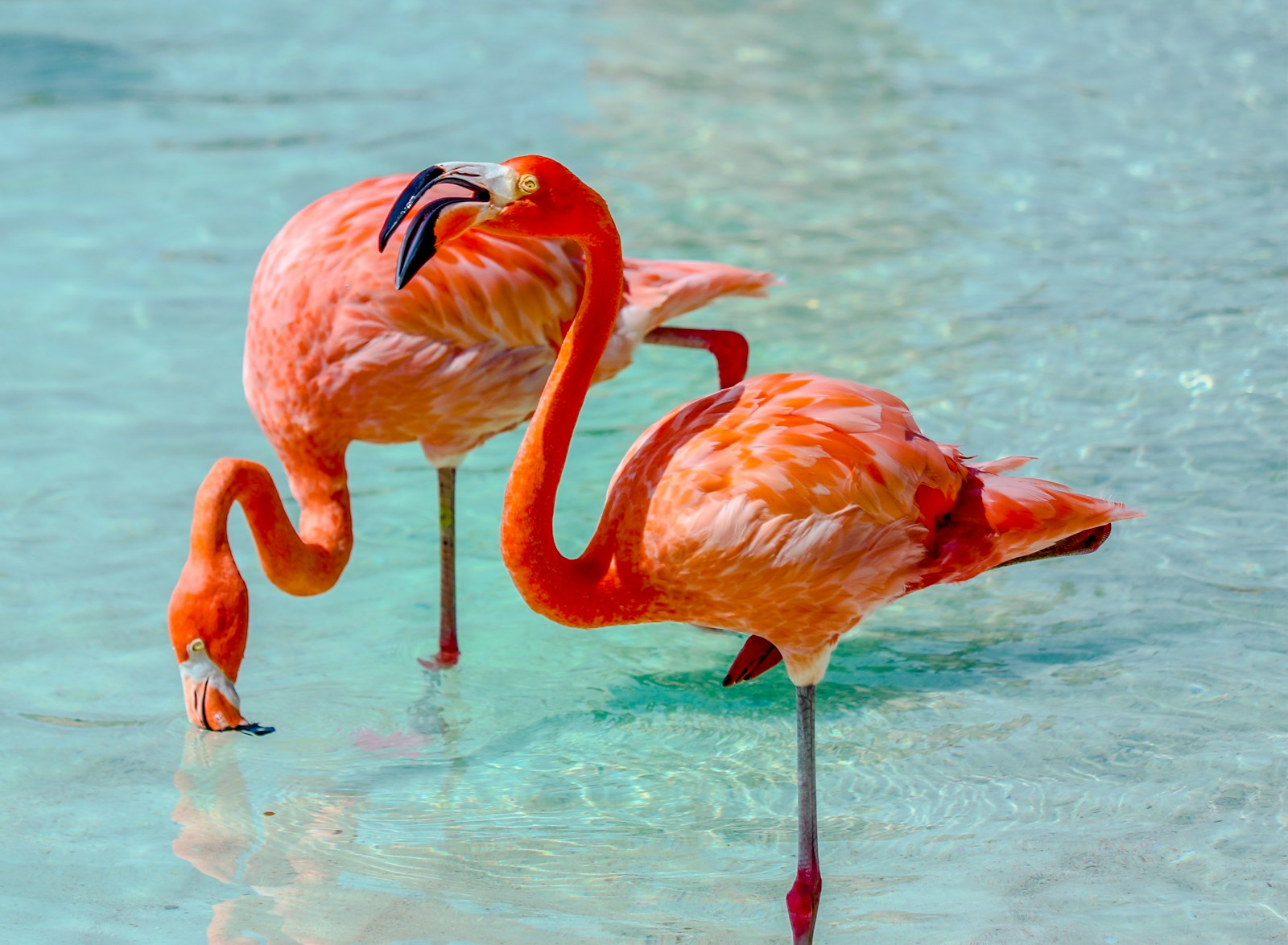
Ngorongoro
Flamingos arrive on Lake Magadi. The floor turns green within a week of the first rain. Lion, elephant, rhino, same residents, different light. Mist hangs on the rim most mornings.
- Pink across Magadi
- Floor green within a week of first rain
- Sightings stay yours
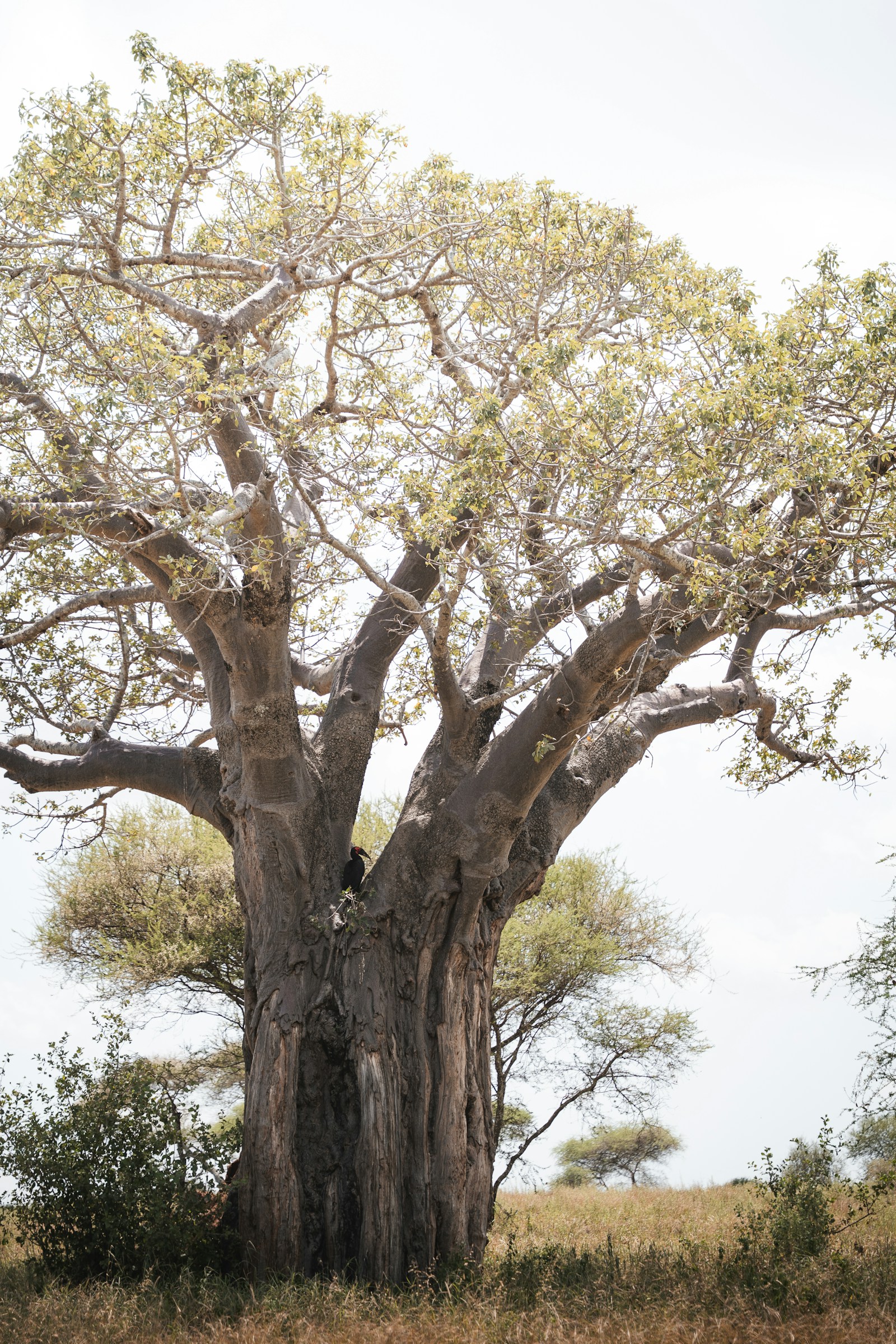
Tarangire
The swamps fill again. Migratory birds arrive from Europe. Wildflowers in the kopjes. Calves. Almost no one in the park. The quiet Tarangire already had goes deeper.
- Swamps full again
- European migrants arriving
- Most days, almost nobody
At a Glance
The Year
First crossings, low vehicle count. Grumeti crossings begin in the Serengeti, full daily rounds in Ngorongoro, elephants returning to Tarangire. Shoulder. Same conditions, fewer vehicles.
Mara crossings, dry-season range. The largest elephant gatherings of the year in Tarangire. Busiest mid-July through September. October already softening.
Quieter circuits, the weather opening up. Migration heads south, flamingos arrive at Ngorongoro, Tarangire blooms. Showers brief. Camps fill less. Sightings stay yours.
Calving in Ndutu, lower rates everywhere. Pink across the Ngorongoro floor. Full swamps in Tarangire. The migration's southern leg. Predator-close.
Empty parks, full landscape. Plains green, herds moving north, the deepest quiet in Tarangire. The long rains. Most camps slow or close. Those that stay open hold the parks to themselves.
Pick the rhythm. The year holds five.